late World War II, before the flight
Secret Allied-Nazi Negotiations
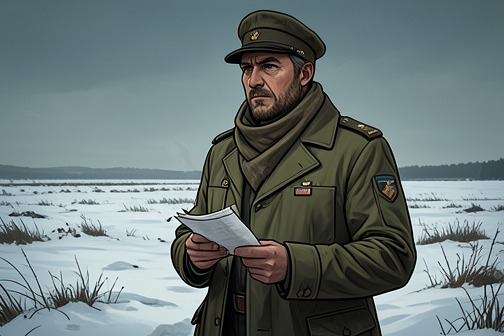
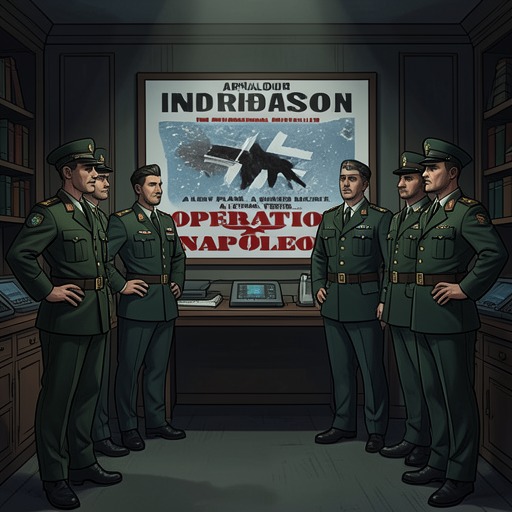
As [Germany](entity:location-recall-location-a3c24dd56e42)’s defeat approached, a small circle of Allied and Nazi officials secretly discussed ending the war in Europe and turning against the Soviet Union. The proposal drew on fears of Soviet expansion and British plans later known as [Operation Unthinkable](entity:event-recall-event-operation-unthinkable-b22da5bc0f31), but the talks also involved the possible escape of Nazi leaders and a bargain that would leave history’s most explosive questions unanswered.
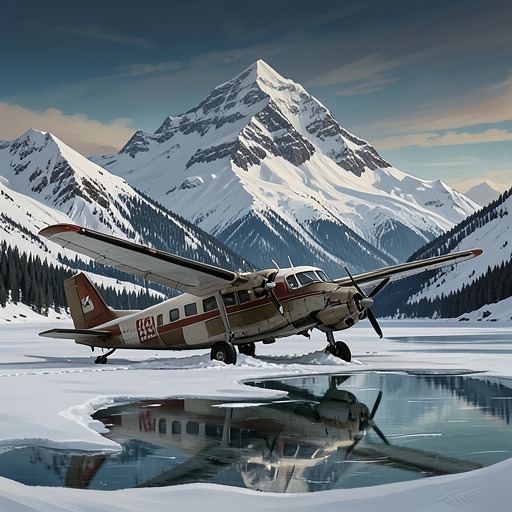
The operation was compartmentalized: even [Robert Miller](entity:character-recall-character-82aab2d5c37e), an intelligence officer assigned to arrange part of it, knew little of its full purpose. His brother [William Miller](entity:character-recall-character-0e70e211d2c0) was selected to pilot a German [Junkers Ju 52](entity:object-recall-object-junkers-ju-52-ebe777cdec9f) painted in Allied colors, with a stop in [Iceland](entity:location-recall-location-f867f3147359) before a flight across the Atlantic toward [Argentina](entity:location-recall-location-27e2c37f5c3d).
late 1944 or early 1945, before the crash
The Berlin Departure
At an airfield near [Berlin](entity:location-recall-location-769cdeac2511), German officers, a Swedish count, and an American general met behind closed doors. [William Miller](entity:character-recall-character-0e70e211d2c0) waited outside the negotiations, aware only that the mission was secret and that the German delegation was carrying two crates of gold and provisions.
When the meeting finally ended, William flew the Junkers west in worsening weather. He was expected to refuel in Scotland and then [Reykjavík](entity:location-recall-location-ec40edba7f78) before continuing across the Atlantic; the delay left the aircraft heading toward [Iceland](entity:location-recall-location-f867f3147359) just as a severe storm closed in.
winter 1945
The Vatnajökull Crash
A blizzard engulfed the glacier as the aircraft skimmed the ice. Its wings sheared away, and the fuselage tore across the surface before stopping in the storm-darkness. Several passengers were killed in the impact; those who survived were left trapped in the cold with little shelter or food.
The crash buried the Junkers in snow and ice, along with the passengers, the gold, and documents that could expose the secret mission. The glacier concealed the evidence for decades, turning the crash into a hidden liability that successive American intelligence chiefs would inherit.
the night of the crash, winter 1945
The Farmhouse Sighting
Two brothers at a farm near the glacier heard an unfamiliar aircraft roar overhead. They went outside and saw it pass low in the darkness, its nose lifting as if the pilot were trying to climb above the storm. They believed it was doomed to strike the ice.
Their telephone lines were down, so the brothers waited until the weather improved before riding to [Höfn](entity:location-recall-location-a658c38e574e) to report what they had seen. The sighting gave the authorities their first lead, but it also began the farmers’ long, uneasy connection to the secret search.
about ten days after the winter 1945 crash
The First Glacier Search
A large American expedition reached the farm after a difficult journey around [Iceland](entity:location-recall-location-f867f3147359). [Colonel Miller](entity:character-recall-character-colonel-miller-56d2f77dadbe) led the soldiers onto the glacier with the brothers as guides, despite the farmers’ warnings that deep snow and vast ice made the wreck almost impossible to locate.
The searchers found only a broken nose-wheel rim, inscribed with the word Kruppstahl. Colonel Miller took charge of it, proof that the missing aircraft was German-made, and continued searching until storms buried equipment and forced the expedition to withdraw.
the days after the 1945 crash
The Lost Survivors
Inside the stranded aircraft, [William Miller](entity:character-recall-character-0e70e211d2c0) recorded the crash and the passengers’ gradual collapse in a small diary. He described the cold, the failed attempts to escape, the deaths of companions, and the German officers who remained with him. [Count von Mantauffel](entity:character-recall-character-4a23c0504cae) eventually set out on foot carrying a locked metal case, hoping to find help.
The count never returned to the aircraft. His departure left the others to die in the buried fuselage, while the case and its documents traveled with him across the glacier. William’s diary and the case would later provide crucial but incomplete evidence about the mission.
from 1945 into the following decades
Miller’s Long Search
After the first expedition failed, [Colonel Miller](entity:character-recall-character-colonel-miller-56d2f77dadbe) returned to [Iceland](entity:location-recall-location-f867f3147359) at intervals, often alone, to search the ice with a metal detector. He gave [Jón](entity:character-recall-character-j-n-88fcba9de830) and [Karl](entity:character-recall-character-531dd7cdd9f1) little explanation, but the men became friendly and kept their promise to say nothing about the aircraft or the searches.
The old soldiers and farmers could not recover the wreck. As the glacier shifted, the plane remained hidden, and the Americans kept its existence under surveillance. Colonel Miller’s search was also personal: he believed his younger brother William had been aboard.
after the first search, before the 1967 expedition
The Wheel in Intelligence Archives
The aircraft’s wheel became the durable clue around which American intelligence built a secret monitoring effort. Surveillance flights photographed the glacier, and later satellite imagery allowed the service to watch changes in the ice from far away.
The Americans never knew precisely what had happened to the plane’s contents or whether anyone had survived. They maintained a secrecy order nonetheless, keeping the aircraft’s return from public view and passing responsibility for it from one senior official to the next.
1967
The 1967 Discovery
During a surveillance flight, [Leo Stiller](entity:character-recall-character-leo-stiller-3a1bf42535ce) believed he saw something emerging from the ice and photographed the area. A small expedition followed, then preparations began for a larger search under General [Vytautas Carr](entity:character-recall-character-vytautas-carr-616da64b0d0b).
The glacier operation risked attracting attention in a country already sensitive about foreign troops. To distract the public, American officials arranged for Neil Armstrong and other astronauts to visit [Iceland](entity:location-recall-location-f867f3147359) for a highly publicized training exercise, presenting the volcanic interior as a useful stand-in for the Moon.
1967, during the Easter blizzard
The Searchers Driven Off
Carr’s expedition searched the glacier but failed to recover the aircraft. An Easter storm overwhelmed the soldiers, and four men died: two fell into a crevasse while two others became separated and succumbed to exposure.
The search ended without answers, and the plane disappeared beneath the shifting ice again. The failure deepened the secrecy around the operation and left local witnesses with rumors of a bomb, gold, or other dangerous cargo.
about twenty years before January 2000
The Officer’s Hidden Grave
While searching the slopes near the farm, [Jón](entity:character-recall-character-j-n-88fcba9de830) found the remains of a German officer who had apparently made it away from the aircraft. He buried the bones and kept the officer’s uniform, along with a battered metal case still attached to the dead man’s wrist.
Jón never reported the discovery. He had honored his promise to [Colonel Miller](entity:character-recall-character-colonel-miller-56d2f77dadbe) and believed the matter belonged to the army, not to him. The case survived in a chest at the farm, its papers damaged but not entirely illegible.
years before January 2000
Kristín’s Childhood Burden
[Kristín](entity:character-recall-character-krist-n-933e532bef63) was ten when [Elías](entity:character-recall-character-el-as-1f789c9fa267) was born and soon became his main caretaker. Their emotionally distant parents left her to feed him, take him to nursery, and keep the household quiet; she grew up feeling responsible for his safety and happiness.
When Elías was eight, a car struck him after Kristín had sent him to a shop. He survived severe injuries, but she carried lasting guilt and feared that his later adventures might put him in danger again. Their closeness endured into adulthood, even when she worried that she was protecting him too fiercely.
early 1970s and the decades after
Carr’s Inheritance
[Vytautas Carr](entity:character-recall-character-vytautas-carr-616da64b0d0b) took over the intelligence organization that monitored the glacier and learned the secret of the missing aircraft from his predecessor. He inherited instructions to prevent its discovery from becoming public, although even he did not know every detail of the original mission.
Carr later recruited [Ratoff](entity:character-recall-character-ratoff-2edb02f45016), a brutal operative who delivered results but left a trail of violence. Decades afterward, when satellite imagery finally showed the aircraft returning to the surface, Carr chose Ratoff to direct the recovery, believing that secrecy mattered more than the cost of the operation.
the years before January 2000
The Winter Monitoring Flight
American pilots based in [Iceland](entity:location-recall-location-f867f3147359) periodically photographed the glacier’s southeastern section. [Michael Thompson](entity:character-recall-character-michael-thompson-1ab2e0ea0617) flew some of these missions, while [Leo Stiller](entity:character-recall-character-leo-stiller-3a1bf42535ce) helped oversee the surveillance program and became troubled by the secrecy surrounding the aircraft.
Among the rumors shared by pilots were stories of Nazi gold, a bomb, or plundered art. The uncertainty bred elaborate cover stories, and Stiller’s questions did little to loosen the military’s grip on the truth.
more than thirty years before January 2000
Sarah’s Loss
[Leo Stiller](entity:character-recall-character-leo-stiller-3a1bf42535ce) died in a helicopter crash at the base, an event described as an accident without a convincing inquiry. His wife, [Sarah Steinkamp](entity:character-recall-character-d1157a122b6c), moved to [Reykjavík](entity:location-recall-location-ec40edba7f78) and lived with grief, suspicion, and memories of a family murdered during the Holocaust.
Sarah believed Leo had known the aircraft was Nazi and had objected to the secrecy surrounding it. His death left behind a witness who remembered more than the official story allowed, though she had kept quiet for decades.
about a year before January 2000
Kristín and Steve Part
[Kristín](entity:character-recall-character-krist-n-933e532bef63) and [Steve](entity:character-recall-character-steve-6f13ad69f92a) began a relationship after meeting through their work with the American base. When the relationship became intimate, Kristín panicked, fearing that an Icelandic woman involved with an American serviceman would be judged as a traitor to her convictions and to her country.
She left abruptly, and the two drifted apart without a clear ending. Her unresolved regret would matter when she later needed help and Steve became the person she trusted in the crisis.
Wednesday 27 January 2000
The Glacier Image Returns
At [Building 312](entity:location-recall-location-312-521e923773d4), operators compared a new satellite image of [Vatnajökull](entity:location-recall-location-a6d2fd64ffaf) with an older photograph. A dark mark had appeared on the glacier, and magnification suggested that part of the long-missing aircraft was emerging from the ice.
Carr ordered [Ratoff](entity:character-recall-character-ratoff-2edb02f45016) to [Iceland](entity:location-recall-location-f867f3147359) with special forces and equipment, presenting the mission as routine. He also arranged for General [Immanuel Wesson](entity:character-recall-character-immanuel-wesson-236e461b721a) to take over the embassy and prepare an explanation for Icelandic officials, setting a covert recovery in motion before the government had agreed to it.
Thursday 28 January 2000, afternoon
Kristín Rejects the Claim
At the Foreign Ministry, [Runólfur Zóphaníasson](entity:character-recall-character-run-lfur-z-phan-ass-673ed912bb90) again demanded compensation for freezing units he had shipped to [Russia](entity:location-recall-location-e36341713c23) without security. [Kristín](entity:character-recall-character-krist-n-933e532bef63) rejected his claim that the ministry had misled him and bluntly told him that his business losses were not the government’s responsibility.
[Runólfur](entity:character-recall-character-72cfa57072c0) exploded, threw a chair, and threatened her as he left. The confrontation seemed at first to be an ugly workplace dispute, but it placed Kristín in the path of a much larger conspiracy and made her a target before she knew why.
Thursday 28 January 2000, evening
The Secret Force Arrives
A C-17 landed at [Keflavík Airport](entity:location-recall-location-e106b3113990) carrying special forces, vehicles, and equipment for the glacier. The supplies left in civilian-looking trucks and traveled east under cover of darkness, while Wesson’s team took control of the American embassy in [Reykjavík](entity:location-recall-location-ec40edba7f78).
[Ratoff](entity:character-recall-character-ratoff-2edb02f45016) reached [Jón](entity:character-recall-character-j-n-88fcba9de830)’s farm and learned that the locals had witnessed earlier searches. Jón had no guide to offer this time, but he recalled the long effort to find the aircraft and wondered again what could make the Americans so anxious to recover it.
Thursday 28 January 2000, late night
The Old Rumors Revisited
At the farm, [Ratoff](entity:character-recall-character-ratoff-2edb02f45016) told [Jón](entity:character-recall-character-j-n-88fcba9de830) that satellite images had located the plane. Jón remembered earlier expeditions and the local promise of silence made to [Colonel Miller](entity:character-recall-character-colonel-miller-56d2f77dadbe), but he could not explain what the aircraft contained.
Meanwhile, Ratoff’s men established a camp and began moving toward the glacier. Carr warned him to keep the Icelanders unaware, while Ratoff treated secrecy as a practical obstacle rather than a moral limit.
Friday 29 January 2000, evening
Elías Calls from the Ice
[Kristín](entity:character-recall-character-krist-n-933e532bef63) received a broken phone call from [Elías](entity:character-recall-character-el-as-1f789c9fa267), who was out on the glacier with [Jóhann](entity:character-recall-character-j-hann-95e0cac170e5). He said they had seen lights, soldiers, and a plane, then warned that armed men were coming toward them before the connection died.
The call transformed her worries into immediate terror. She tried to reach the rescue team and the authorities, but the men on the glacier had already taken Elías’s phone and were working to identify the person he had called.
Friday 29 January 2000, evening
The Aircraft Is Unearthed
[Ratoff](entity:character-recall-character-ratoff-2edb02f45016)’s troops found the aircraft at the coordinates from the satellite images. They dug out the nose of a [Junkers Ju 52](entity:object-recall-object-junkers-ju-52-ebe777cdec9f), revealing its swastika and confirming the old reports that a German transport plane lay beneath the glacier.
The recovery was no longer a distant intelligence problem: armed Americans were excavating a Nazi aircraft on Icelandic soil. [Elías](entity:character-recall-character-el-as-1f789c9fa267) and [Jóhann](entity:character-recall-character-j-hann-95e0cac170e5) had seen the operation, and Ratoff knew their discovery could expose the mission.
Friday 29 January 2000, shortly after Elías’s call
Kristín Is Marked for Death
Using the number on [Elías](entity:character-recall-character-el-as-1f789c9fa267)’s phone, [Ratoff](entity:character-recall-character-ratoff-2edb02f45016)’s team identified [Kristín](entity:character-recall-character-krist-n-933e532bef63) and ordered Ripley and Bateman to make her death look like suicide. They entered her apartment, wrote a brief suicide note on her computer, and told her that Elías was dead.
Kristín understood that the men were connected to the armed force on the glacier, but before they could kill her, [Runólfur](entity:character-recall-character-72cfa57072c0) arrived at her door. In the confusion, she escaped while the gunmen shot Runólfur, leaving his body behind to implicate her.
Friday 29 January 2000, evening
The Crevasse Attack
[Ratoff](entity:character-recall-character-ratoff-2edb02f45016) interrogated [Elías](entity:character-recall-character-el-as-1f789c9fa267) and [Jóhann](entity:character-recall-character-j-hann-95e0cac170e5) about their call and what they had seen. When Elías resisted, Ratoff injured Jóhann’s eyes with an awl, then tortured him again while demanding details about [Kristín](entity:character-recall-character-krist-n-933e532bef63) and their rescue team.
Ratoff ordered the two young men thrown into a crevasse with their snowmobiles and their tracks erased to make their deaths look accidental. Elías had told him enough about Kristín for the pursuit in [Reykjavík](entity:location-recall-location-ec40edba7f78) to intensify, but Ratoff wrongly believed the sister had been killed.
Friday 29 January 2000, evening
The First Government Meeting
American officials met [Iceland](entity:location-recall-location-f867f3147359)’s prime minister and foreign minister in [Reykjavík](entity:location-recall-location-ec40edba7f78), saying that a [World War II](entity:time-recall-time-world-war-ii-d4353dde1684) aircraft had resurfaced and that the United States needed to recover it in secret. They asked for cooperation and proposed a cover story involving small NATO exercises.
The Icelanders challenged the lack of permission and demanded to know why the aircraft was so sensitive. When the officials still refused to be candid, they offered a misleading tale about German nuclear scientists and [Jewish gold](entity:expression-recall-expression-jewish-gold-f7556f1f9228), leaving the government unconvinced but aware that an operation was already underway.
Friday 29 January 2000, late evening
Kristín Reaches the Base
Fleeing in borrowed clothes, [Kristín](entity:character-recall-character-krist-n-933e532bef63) called her father to warn him and then took a taxi to [Keflavík Air Base](entity:location-recall-location-b3a4981f9982). She climbed the perimeter fence and found [Steve](entity:character-recall-character-steve-6f13ad69f92a), her former boyfriend, hoping he could tell her what American forces were doing on the glacier.
Kristín described the attack, [Runólfur](entity:character-recall-character-72cfa57072c0)’s death, and [Elías](entity:character-recall-character-el-as-1f789c9fa267)’s warning. Steve initially struggled to believe her, but he listened and agreed to investigate, reopening a relationship that neither of them had properly ended.
Saturday 30 January 2000, before dawn
A Rescue Team Finds the Boys
The [Reykjavík](entity:location-recall-location-ec40edba7f78) rescue team tracked [Elías](entity:character-recall-character-el-as-1f789c9fa267)’s phone signal and found Elías and [Jóhann](entity:character-recall-character-j-hann-95e0cac170e5) at the bottom of a crevasse. Jóhann was dead, his body badly crushed; Elías was gravely injured but still had a pulse.
[Júlíus](entity:character-recall-character-000516036d71) called for medical help as a storm threatened the team. Elías’s survival gave [Kristín](entity:character-recall-character-krist-n-933e532bef63) a reason to keep fighting, but the rescue leader did not yet know that the young men had been assaulted and deliberately thrown into the fissure.
Saturday 30 January 2000, early morning
Escape Across the Base
[Steve](entity:character-recall-character-steve-6f13ad69f92a) and [Kristín](entity:character-recall-character-krist-n-933e532bef63) searched the base archives for records of surveillance flights and learned that [Michael Thompson](entity:character-recall-character-michael-thompson-1ab2e0ea0617), a retired pilot, still lived nearby. When armed pursuers found Steve’s apartment, the pair escaped by jumping between balconies and driving away in his car.
They continued their search on foot and by a smuggler’s inflatable boat, slipping out of the military zone and reaching [Hafnir](entity:location-recall-location-4cb14ad337d6). Their escape showed how thoroughly the Americans had taken control of the base, but also gave Kristín and Steve a chance to seek witnesses beyond it.
Saturday 30 January 2000, around 3:30 a.m.
Thompson Recalls the Searches
[Kristín](entity:character-recall-character-krist-n-933e532bef63) and [Steve](entity:character-recall-character-steve-6f13ad69f92a) visited [Michael Thompson](entity:character-recall-character-michael-thompson-1ab2e0ea0617), who confirmed that pilots had regularly photographed the glacier and that the aircraft had been the subject of long-running rumors. He remembered General [Vytautas Carr](entity:character-recall-character-vytautas-carr-616da64b0d0b)’s failed 1967 expedition and the astronaut visit used to distract Icelanders from the troop movements.
Thompson had heard claims that the plane held gold, art, or a bomb, but he could not verify any of them. He pointed the pair toward [Leo Stiller](entity:character-recall-character-leo-stiller-3a1bf42535ce)’s widow, [Sarah Steinkamp](entity:character-recall-character-d1157a122b6c), who might know why her husband had become obsessed with the aircraft.
Saturday 30 January 2000, early morning
The Murder Scene
In [Reykjavík](entity:location-recall-location-ec40edba7f78), police examined [Kristín](entity:character-recall-character-krist-n-933e532bef63)’s apartment and found [Runólfur](entity:character-recall-character-72cfa57072c0) dead at the desk with a gun and a suicide note on the computer. The older detective doubted the scene: the shot through the door, the body’s position, and the apparent circumstances made suicide implausible.
The police wanted to question Kristín but did not yet know where she was. Their uncertainty left the American operation room to manipulate the case and paint her as a fugitive suspect.
Saturday 30 January 2000, dawn
Sarah Names the Nazis
At [Sarah Steinkamp](entity:character-recall-character-d1157a122b6c)’s home, [Kristín](entity:character-recall-character-krist-n-933e532bef63) and [Steve](entity:character-recall-character-steve-6f13ad69f92a) learned that Leo had called the aircraft a Nazi plane and had challenged the secrecy around it. Sarah remembered that it had appeared from the ice in 1967 and then vanished again.
She rejected the stories of American soldiers carrying stolen gold. Her certainty was bound up with the murder of her family in the Holocaust, and her testimony strengthened the evidence that the aircraft’s true origin had been concealed.
Saturday 30 January 2000, morning
The Papers in the Wreck
The recovered aircraft broke apart under the strain of excavation, allowing [Ratoff](entity:character-recall-character-ratoff-2edb02f45016) to enter its cabin. He found six bodies, including an American pilot and a two-star American general, as well as two crates of gold and a locked briefcase handcuffed to the general.
The gold was far less than the intelligence story had promised. Ratoff found documents, a flight log, and a red diary, then began to understand that the papers—not a bomb or a cargo of bullion—were the reason the aircraft had been watched for decades.
Saturday 30 January 2000, during the storm
Ratoff Reads the Secret
In his tent, [Ratoff](entity:character-recall-character-ratoff-2edb02f45016) read the English documents and realized they concerned [Operation Napoleon](entity:event-recall-event-operation-napoleon-534868ba410d), an alleged plan involving the Allies, Nazi leaders, and the postwar fate of [Adolf Hitler](entity:character-recall-character-943a651bff95). The papers appeared to connect the secret mission to an effort to alter the expected settlement of the war and to conceal what had happened to Hitler.
Ratoff understood that the operation’s custodians would see him as a threat once he had read the files. He began to suspect that Carr had chosen him as an expendable tool and that the discovery had turned his own survival into a separate struggle.
Saturday 30 January 2000, evening
The Farmers’ Evidence
[Jón](entity:character-recall-character-j-n-88fcba9de830) showed [Kristín](entity:character-recall-character-krist-n-933e532bef63) and [Steve](entity:character-recall-character-steve-6f13ad69f92a) the German uniform recovered from the body he had buried years earlier, then produced a dented metal case found with the officer. Its damaged papers included the words [Operation Napoleon](entity:event-recall-event-operation-napoleon-534868ba410d).
Jón explained that [Colonel Miller](entity:character-recall-character-colonel-miller-56d2f77dadbe) had once told the brothers the aircraft carried dangerous biological weapons and that the pilot was his brother. The conflicting stories—virus, bomb, gold, and now documents—convinced Kristín that the military’s explanations were deliberate misdirection.
Saturday 30 January 2000, during the same visit
The Dog’s Cross
[Jón](entity:character-recall-character-j-n-88fcba9de830) recalled burying his old dog, Ogre, beside the German officer and marking the rough cross with the dog’s name. He admitted that the choice had seemed disrespectful, though at the time he had thought little of the dead German.
The revelation offered no direct answer about the aircraft, but the grave confirmed that at least one passenger had survived long enough to leave the wreckage. Jón’s evidence gave [Kristín](entity:character-recall-character-krist-n-933e532bef63) and [Steve](entity:character-recall-character-steve-6f13ad69f92a) a human trail beyond the buried plane and its official myths.
Saturday 30 January 2000, late evening
The Rescue Team Is Blocked
After the storm eased, [Júlíus](entity:character-recall-character-000516036d71) led his rescue team toward the reported American camp. A line of armed soldiers stopped them, declared the glacier a restricted military zone, and demanded their radios, phones, and emergency flares.
Júlíus refused to surrender the team’s equipment or abandon injured Icelanders. The soldiers answered by firing into a tracked vehicle, setting it ablaze and forcing the rescuers to remain under armed guard on their own glacier.
Saturday 30 January 2000, late night
Kristín and Steve Reach the Camp
[Kristín](entity:character-recall-character-krist-n-933e532bef63) and [Steve](entity:character-recall-character-steve-6f13ad69f92a) climbed toward the glacier after calling the police and warning a television contact. They intended to meet [Júlíus](entity:character-recall-character-000516036d71)’s team and make sure that the Americans could not quietly remove the aircraft.
The soldiers intercepted them and struck them when Kristín demanded to see [Ratoff](entity:character-recall-character-ratoff-2edb02f45016). Recognizing that she knew his name, the officer called the camp and took both captives to Ratoff rather than sending them away.
Saturday 30 January 2000, night
The Government Is Threatened
At a secret meeting at [Lake Thingvallavatn](entity:location-recall-location-c4cc418cea17), American officials claimed the glacier operation was a NATO exercise and denied responsibility for the rescue-team casualties. The Icelandic leaders challenged their account and protested the unauthorized use of force.
When the Icelandic prime minister prepared to end the meeting, Wesson claimed the plane carried an old German hydrogen bomb and warned that the rescue team faced danger. The claim was another manipulation, but it frightened the government and revealed how readily the Americans used fear to control the crisis.
Saturday 30 January 2000, night
Jón’s Account of the Pilot
At the farm, [Jón](entity:character-recall-character-j-n-88fcba9de830) gave [Kristín](entity:character-recall-character-krist-n-933e532bef63) and [Steve](entity:character-recall-character-steve-6f13ad69f92a) a photograph and old letters from [Colonel Miller](entity:character-recall-character-colonel-miller-56d2f77dadbe). He explained how [Miller](entity:character-recall-character-miller-29b1df92a6aa) had returned for years, searching for his brother, and had told the farmers that William had piloted the German aircraft.
Jón’s account made the recovery more than a covert military operation: it was also the end of a brother’s decades-long attempt to learn what happened. Kristín nevertheless remained determined to reach the glacier and confront the people responsible for [Elías](entity:character-recall-character-el-as-1f789c9fa267) and [Jóhann](entity:character-recall-character-j-hann-95e0cac170e5).
Saturday 30 January 2000, late night
The Operation’s Name
[Jón](entity:character-recall-character-j-n-88fcba9de830) showed the papers from the metal case to [Kristín](entity:character-recall-character-krist-n-933e532bef63), who could make out the phrase [Operation Napoleon](entity:event-recall-event-operation-napoleon-534868ba410d). [Steve](entity:character-recall-character-steve-6f13ad69f92a) connected the clue to Thompson’s rumors of a Nazi bomb, but neither had enough information to know what the name meant.
Kristín called [Júlíus](entity:character-recall-character-000516036d71) and learned that [Elías](entity:character-recall-character-el-as-1f789c9fa267) was still alive, though critically injured. She warned the rescue leader about the Americans and set out with Steve, determined to see the operation for herself.
Saturday 30 January 2000, before midnight
A Renewed Partnership
As [Kristín](entity:character-recall-character-krist-n-933e532bef63) and [Steve](entity:character-recall-character-steve-6f13ad69f92a) rested at the farm, they spoke about their earlier breakup and the military presence that had frightened her away. Kristín admitted that her feelings about the base had overwhelmed her feelings for Steve; he told her that he wanted to understand rather than blame her.
They agreed to try again after the crisis ended. The intimacy offered a brief refuge, but Kristín still chose to go to the glacier, and Steve chose to accompany her despite the danger.
Saturday 30 January 2000, around 11:15 p.m.
The Rescue Team Under Fire
At the glacier, [Júlíus](entity:character-recall-character-000516036d71) confronted the soldiers who had stopped his team. He refused to leave, and the officer ordered a volley that riddled a rescue vehicle and set it on fire, demonstrating that the soldiers were willing to use lethal force.
The rescue team had no communications equipment and could not proceed safely. The attack made the American operation impossible to dismiss as a harmless training exercise, while Júlíus remained determined to get to the camp and find [Kristín](entity:character-recall-character-krist-n-933e532bef63).
Saturday 30 January 2000, late night
The Aircraft Is Cut Apart
[Ratoff](entity:character-recall-character-ratoff-2edb02f45016)’s men cut the Junkers into two sections so helicopters could carry it from the glacier. The fuselage collapsed under its own weight, exposing the cabin and its frozen passengers to the recovery team.
Ratoff ordered that nobody enter the aircraft without his permission. He took charge of the documents and the bodies, while the approaching rescue team and Icelandic political pressure made the operation increasingly difficult to conceal.
Saturday 30 January 2000, before midnight
Carr Meets Colonel Miller
[Colonel Miller](entity:character-recall-character-colonel-miller-56d2f77dadbe) arrived in [Iceland](entity:location-recall-location-f867f3147359) and met Carr near the aircraft’s destination at Keflavík. He wanted to know whether the bodies had survived in the ice and whether his brother’s fate could finally be settled.
Carr told him that the passengers appeared to have died from the cold and that William was among the recovered dead. He also warned [Miller](entity:character-recall-character-miller-29b1df92a6aa) that his arrival complicated the operation, but Miller could not abandon the search that had occupied most of his life.
Sunday 31 January 2000, shortly after midnight
The Helicopter Crews Arrive
Two Pave Hawk helicopters arrived to lift the wreckage from the glacier. Their crews had not been told what they would find and were startled to see the swastika on the aircraft and the military camp around it.
One pilot mentioned the rumor that Neil Armstrong had searched for a German aircraft carrying a hydrogen bomb. [Ratoff](entity:character-recall-character-ratoff-2edb02f45016) denied the bomb but refused to let the pilots inspect the wreck, then ordered soldiers to keep them confined, making the cover-up more dangerous as additional witnesses accumulated.
Sunday 31 January 2000, after the storm
A Flight Diary Reveals the Mission
As the camp prepared to leave, [Ratoff](entity:character-recall-character-ratoff-2edb02f45016) studied [William Miller](entity:character-recall-character-0e70e211d2c0)’s diary. It described the secret trip to [Berlin](entity:location-recall-location-769cdeac2511), the negotiations with Nazi officials, the gold, and William’s uncertainty about why the Allies were cooperating with Germans.
Ratoff also read a document describing [Operation Unthinkable](entity:event-recall-event-operation-unthinkable-b22da5bc0f31) and recognized the danger of the papers. He understood that the operation’s secret was not the gold but the possible agreement with Nazi leaders and the concealed destination of a figure called Napoleon.
Sunday 31 January 2000, after midnight
The Glacier Evacuation Begins
With the rescue team closing in and the weather improving, [Ratoff](entity:character-recall-character-ratoff-2edb02f45016) ordered the aircraft and bodies prepared for airlift. Helicopters would carry the two halves to Keflavík, where a C-17 waited to take them out of [Iceland](entity:location-recall-location-f867f3147359).
The camp’s lights, vehicles, and tents made a surreal scene as [Kristín](entity:character-recall-character-krist-n-933e532bef63) and [Steve](entity:character-recall-character-steve-6f13ad69f92a) were held inside a guarded tent. They found one body bag partially open and saw the face of a German officer, proof that the frozen past was being moved before anyone could properly investigate it.
Sunday 31 January 2000, around 12:15 a.m.
Kristín Confronts Ratoff
[Ratoff](entity:character-recall-character-ratoff-2edb02f45016) entered the tent and taunted [Kristín](entity:character-recall-character-krist-n-933e532bef63) about [Elías](entity:character-recall-character-el-as-1f789c9fa267)’s suffering. He admitted that he had tortured the young men, while Bateman stood ready to help him intimidate the captives.
Kristín claimed she knew about [Operation Napoleon](entity:event-recall-event-operation-napoleon-534868ba410d) and the documents, though she had only fragments of evidence. When Ratoff demanded to know who else knew, she tried to buy time by pretending that the authorities and press had already been told.
Sunday 31 January 2000, shortly after midnight
Steve Is Killed
[Ratoff](entity:character-recall-character-ratoff-2edb02f45016) stabbed [Kristín](entity:character-recall-character-krist-n-933e532bef63) with an awl while pressing her to explain what Napoleon meant. [Steve](entity:character-recall-character-steve-6f13ad69f92a) tried to protect her and claimed that he, not Kristín, understood the name, hoping to draw Ratoff’s attention away from her.
Ratoff shot Steve in the face in front of Kristín. She collapsed in shock, believing that Steve’s death was the price of her insistence on pursuing the truth, while the aircraft and its contents were already being prepared for removal.
Sunday 31 January 2000, shortly after midnight
Júlíus Reaches the Camp
[Júlíus](entity:character-recall-character-000516036d71) slipped away from the rescue team’s guards and reached the camp, where he saw the aircraft being loaded for removal. Soldiers captured him, but he continued to lie about reinforcements and searched for [Kristín](entity:character-recall-character-krist-n-933e532bef63).
When the helicopters began lifting the wreckage, Júlíus escaped his captors and found the tent where Kristín lay unconscious beside [Steve](entity:character-recall-character-steve-6f13ad69f92a)’s body. He revived her, and she persuaded him to help her hide before the soldiers returned.
Sunday 31 January 2000, during the helicopter evacuation
Kristín Hides in a Body Bag
Refusing to leave [Steve](entity:character-recall-character-steve-6f13ad69f92a)’s body behind, [Kristín](entity:character-recall-character-krist-n-933e532bef63) resisted [Júlíus](entity:character-recall-character-000516036d71) until she saw empty body bags nearby. She told him to help her into one and lay still as soldiers carried her into the aircraft wreckage.
The bag was loaded aboard a helicopter and then placed inside the C-17 with the rear section of the Junkers. Kristín escaped the glacier by hiding among the dead, but she was now trapped in the aircraft with no clear way out and no idea where it was going.
Sunday 31 January 2000, after the aircraft reaches Keflavík
Ratoff Is Betrayed
Aboard the C-17, [Ratoff](entity:character-recall-character-ratoff-2edb02f45016) confronted Carr with the documents and demanded money and safe passage. He had made an insurance arrangement, believing that the papers could protect him from being eliminated as an expendable operative.
Carr refused to bargain. His men searched Ratoff, took him into custody, and prepared to destroy the genuine documents. The power struggle showed that Carr’s concern was not justice but keeping the secret beyond the reach of anyone who might reveal it.
Sunday 31 January 2000, during the Atlantic flight
Miller Finds His Brother
[Colonel Miller](entity:character-recall-character-colonel-miller-56d2f77dadbe) slipped away from the flight cabin to search the bodies in the aircraft. He opened several bags before finding William, preserved in the ice after more than half a century.
[Miller](entity:character-recall-character-miller-29b1df92a6aa)’s reunion with his brother was silent and devastating. After decades of imagining the crash and searching the glacier, he finally saw William’s face and could begin to accept that the young pilot had died without ever learning the full purpose of his mission.
Sunday 31 January 2000, during the Atlantic flight
Kristín Meets Miller
[Miller](entity:character-recall-character-miller-29b1df92a6aa) found [Kristín](entity:character-recall-character-krist-n-933e532bef63) alive in the body bag and helped her out. She told him about the glacier, the pursuit, and [Steve](entity:character-recall-character-steve-6f13ad69f92a)’s murder, then demanded an explanation for the aircraft and its cargo.
Miller admitted that he had sent his brother on the mission and that the gold was intended to help secure negotiations in [Argentina](entity:location-recall-location-27e2c37f5c3d). He urged Kristín to stop asking questions, but she refused, convinced that the truth mattered because of the lives already lost.
Sunday 31 January 2000, during the Atlantic flight
Napoleon’s Possible Escape
[Miller](entity:character-recall-character-miller-29b1df92a6aa) told [Kristín](entity:character-recall-character-krist-n-933e532bef63) that [Operation Napoleon](entity:event-recall-event-operation-napoleon-534868ba410d) was linked to a plan to move [Adolf Hitler](entity:character-recall-character-943a651bff95) out of [Berlin](entity:location-recall-location-769cdeac2511) and conceal his survival from the public. He believed the name referred to Napoleon’s exile on an island, and said Hitler might have been sent away with his dog, Blondi.
He could not confirm whether the plan had been carried out or where Hitler might have gone. The story rested on incomplete documents, secret negotiations, and the convenient assumption that a burned body found in Berlin belonged to Hitler—an assumption that had allowed competing powers to conceal what they knew.
Sunday 31 January 2000, during the Atlantic flight
Carr Threatens the Survivors
Carr learned that [Kristín](entity:character-recall-character-krist-n-933e532bef63) had survived and confronted her in the flight cabin. He acknowledged that [Elías](entity:character-recall-character-el-as-1f789c9fa267) was alive but warned that [Júlíus](entity:character-recall-character-000516036d71) and the siblings could be harmed if they pursued the truth.
He told Kristín that the mission’s purpose would be buried beneath conflicting explanations and that no one would believe her. Then he drugged her, preparing to return her to [Reykjavík](entity:location-recall-location-ec40edba7f78) with only fragments of her memory intact.
Sunday 31 January 2000, after the Atlantic flight
The C-17 Lands in Iceland
The C-17’s crew discovered that one of the body bags contained a living woman. Before the aircraft could continue, the plane began descending and its rear ramp opened; [Kristín](entity:character-recall-character-krist-n-933e532bef63) saw [Ratoff](entity:character-recall-character-ratoff-2edb02f45016) bound to a pallet and being pushed toward the open cargo door.
Kristín watched without trying to save him. Ratoff disappeared into the darkness below, leaving her with no sense of triumph, only exhaustion and the knowledge that Carr had disposed of his own operative as readily as he had threatened everyone else.
Sunday 31 January 2000, after Ratoff’s death
Carr Silences Kristín
Carr told [Kristín](entity:character-recall-character-krist-n-933e532bef63) that she could return to [Iceland](entity:location-recall-location-f867f3147359) and speak to the authorities, but he doubted anyone would believe her. He confirmed that [Elías](entity:character-recall-character-el-as-1f789c9fa267) had survived and said [Júlíus](entity:character-recall-character-000516036d71) would also be released, though he made clear that both men remained vulnerable.
Kristín struck Carr and called him a murderer, but his response was to speak of history as something that could be rewritten. He insisted that truth and lies were tools of power, then had her drugged before she could retain or report a complete account.
Tuesday morning, several days after 31 January 2000
Kristín Wakes at Home
[Kristín](entity:character-recall-character-krist-n-933e532bef63) woke on her sofa, believing at first that she had merely overslept. A wound in her side, bloodstained clothes, and a small bullet hole in the door gradually brought back the truth: she had been drugged, taken home, and left with a warning not to cross Carr.
The returning memories included [Steve](entity:character-recall-character-steve-6f13ad69f92a)’s death and the threat against [Elías](entity:character-recall-character-el-as-1f789c9fa267). Kristín realized that she had lost several days and that the apparently ordinary apartment around her concealed an ordeal she could not undo.
Tuesday morning, after Kristín wakes
Elías Survives
[Kristín](entity:character-recall-character-krist-n-933e532bef63) learned that [Elías](entity:character-recall-character-el-as-1f789c9fa267) was in the city hospital, recovering from severe injuries. She went to his bedside and saw that he was alive, though connected to machines and recovering from damage to one eye.
For the first time, Kristín could release the guilt she had carried since his childhood accident. His survival did not repair what the operation had taken from them, but it broke her belief that she was responsible for every danger that befell him.
Tuesday morning, after Kristín reaches the hospital
Júlíus Returns
[Júlíus](entity:character-recall-character-000516036d71) appeared at the hospital after being released by the Americans. He told [Kristín](entity:character-recall-character-krist-n-933e532bef63) that the army had attacked the rescue team and that officials were spreading several incompatible stories about the glacier, the aircraft, and the operation.
The military denied knowledge of the aircraft and of any violence against the Icelanders. The team’s public statements and the newspapers could not overcome the state’s denials, leaving the witnesses with little chance of proving what had happened.
the days after the glacier operation
The Cover Story Takes Hold
American spokesmen described the events as conventional winter exercises involving Dutch and Belgian NATO forces. Other versions suggested a staged rescue drill, lost tracking equipment, or a search for gold; the officials denied that a German aircraft had been on the glacier.
The Icelandic government accepted the exercise explanation, and the military offered apologies for the shooting while denying responsibility for [Elías](entity:character-recall-character-el-as-1f789c9fa267) and [Jóhann](entity:character-recall-character-j-hann-95e0cac170e5). Contradictory accounts made the real story easier to dismiss and allowed the secret recovery to disappear into political confusion.
the months after January 2000
The Unsolved Deaths
The murder of [Runólfur](entity:character-recall-character-72cfa57072c0) remained unsolved, while [Kristín](entity:character-recall-character-krist-n-933e532bef63) was repeatedly questioned and eventually faced no prosecution. The police case and the American military account stalled against one another, with neither side able to establish a public version that would stand.
[Jóhann](entity:character-recall-character-j-hann-95e0cac170e5)’s parents pursued the circumstances of their son’s death, but the investigation produced no case strong enough for prosecution. The army disclaimed the presence of [Delta Force](entity:organization-recall-organization-b3cbb085d358) and the C-17 in [Iceland](entity:location-recall-location-f867f3147359), and [Steve](entity:character-recall-character-steve-6f13ad69f92a)’s body was eventually reported found near the base and returned to the United States.
the years after the operation
The Secret Survives
[Kristín](entity:character-recall-character-krist-n-933e532bef63) never publicly described the secret of the aircraft, though she read extensively about [Nazi Germany](entity:organization-recall-organization-116858e43c27) and the end of the war. She left the Foreign Ministry to start a private legal practice and remained close to [Elías](entity:character-recall-character-el-as-1f789c9fa267), while [Júlíus](entity:character-recall-character-000516036d71) continued to visit.
The threat of Carr lingered. Kristín suspected that she was watched and avoided travel, public attention, and lasting relationships, carrying the memory of the glacier as a private burden that could not be safely shared.
about six months after the operation
The Island Fragment
While sorting an old drawer, [Kristín](entity:character-recall-character-krist-n-933e532bef63) found a scrap of the damaged German document she had kept. She copied the legible words and asked a Foreign Ministry acquaintance to translate them, without explaining where the text came from.
The fragment mentioned a remote island near the southern tip of [Argentina](entity:location-recall-location-27e2c37f5c3d) called Borne and identified it as a possible destination for [Operation Napoleon](entity:event-recall-event-operation-napoleon-534868ba410d). It did not prove that Hitler had been taken there, but it gave Kristín a geographical clue she could not forget.
the years following the translation
Kristín Chooses Invisibility
[Kristín](entity:character-recall-character-krist-n-933e532bef63) kept the island clue secret, even from [Elías](entity:character-recall-character-el-as-1f789c9fa267) and [Júlíus](entity:character-recall-character-000516036d71). She stopped traveling abroad, avoided credit and debit cards, and tried to stay beyond the reach of surveillance, while her fear of Carr made ordinary life feel watched.
The unanswered question became an obsession. Kristín believed [Steve](entity:character-recall-character-steve-6f13ad69f92a) had died because of the secret and could not accept that his death should serve only to protect the people who had hidden it.
years later, before Kristín’s journey
A Route to South America
A merchant ship captain once helped a woman board a ship to escape. Now he provides christin with a possible way of travel, so she does not have to appear on the regular passenger list. Christin planned a route to avoid the airport surveillance and official records she is concerned about. After hesitation
summer, years after the glacier operation
The Voyage to Borne
Christine arrived in Mexico by ship, then traveled by land through South America, finally reaching [Buenos Aires](entity:location-recall-location-caf56b79d5c4). From there, she continued south through Patagonia, taking buses and local transport, to a small port near the southern border. She hired a fisherman to take her to [Borne Island](entity:location-recall-location-borne-7329b107e098)
the final day of Kristín’s visit to Borne
The Blondi Inscription
While returning to the ship, Christin tripped on a stone hidden by long grass while crossing the island. She turned the stone over, cleared the dirt off it, and revealed a rough inscription: "Bundji," followed by 1947. The engraved stone does not explain what